Tann Làkk bi
Amerig
English (English) Kreyòl Ayisyen (Haitian Creole) Português (Brasil) (Portuguese (Brazil)) Español (Spanish)
Tugal
Afrikaans (Afrikaans) Shqip (Albanian) Հայերեն (Armenian) Azərbaycanca (Azerbaijani) башҡорт (Bashkir) Euskara (Basque) Беларуская (Belarusian) Bosanski (Bosnian) brezhoneg (Breton) Български (Bulgarian) Català (Catalan) Hrvatski (Croatian) Čeština (Czech) Dansk (Danish) Nederlands (Dutch) Esperanto (Esperanto) Eesti (Estonian) Føroyskt (Faroese) Suomi (Finnish) Français (French) Galego (Galician) Deutsch (German) Ελληνικά (Greek) Magyar (Hungarian) Íslenska (Icelandic) Gaeilge (Irish) Italiano (Italian) Latina (Latin) Latviešu (Latvian) Lietuvių (Lithuanian) Lëtzebuergesch (Luxembourgish) Македонски (Macedonian) Malti (Maltese) Norsk (Norwegian) Norsk bokmål (Norwegian Bokmål) occitan (Occitan) Polski (Polish) Português (Portuguese) Română (Romanian) Русский (Russian) Српски (Serbian) Slovenčina (Slovak) Slovenščina (Slovenian) Svenska (Swedish) татар (Tatar) Türkçe (Turkish) Türkmen (Turkmen) Українська (Ukrainian) Cymraeg (Welsh)
Asi ak Pasifik
অসমীয়া (Assamese) বাংলা (Bengali) မြန်မာ (Burmese) 简体中文 (Chinese (Simplified)) 繁體中文 (Chinese (Traditional)) ქართული (Georgian) ગુજરાતી (Gujarati) ʻŌlelo Hawaiʻi (Hawaiian) हिन्दी (Hindi) Bahasa Indonesia (Indonesian) 日本語 (Japanese) Jawa (Javanese) ಕನ್ನಡ (Kannada) Қазақ (Kazakh) ខ្មែរ (Khmer) 한국어 (Korean) Кыргызча (Kyrgyz) ລາວ (Lao) Bahasa Melayu (Malay) മലയാളം (Malayalam) Māori (Maori) मराठी (Marathi) Монгол (Mongolian) नेपाली (Nepali) ଓଡ଼ିଆ (Odia) ਪੰਜਾਬੀ (Punjabi) संस्कृत भाषा (Sanskrit) සිංහල (Sinhala) Basa Sunda (Sundanese) Tagalog (Tagalog) Тоҷикӣ (Tajik) தமிழ் (Tamil) తెలుగు (Telugu) ไทย (Thai) བོད་སྐད་ (Tibetan) Oʻzbekcha (Uzbek) Tiếng Việt (Vietnamese)
Penku bu Digg ak Afrig
አማርኛ (Amharic) العربية (Arabic) Hausa (Hausa) עברית (Hebrew) Igbo (Igbo) Kinyarwanda (Kinyarwanda) Kurdî (Kurdish) lingála (Lingala) Malagasy (Malagasy) پښتو (Pashto) فارسی (Persian) chiShona (Shona) سنڌي (Sindhi) Soomaali (Somali) Kiswahili (Swahili) ትግርኛ (Tigrinya) اردو (Urdu) Wolof (Wolof) isiXhosa (Xhosa) ייִדיש (Yiddish) Yorùbá (Yoruba) isiZulu (Zulu)

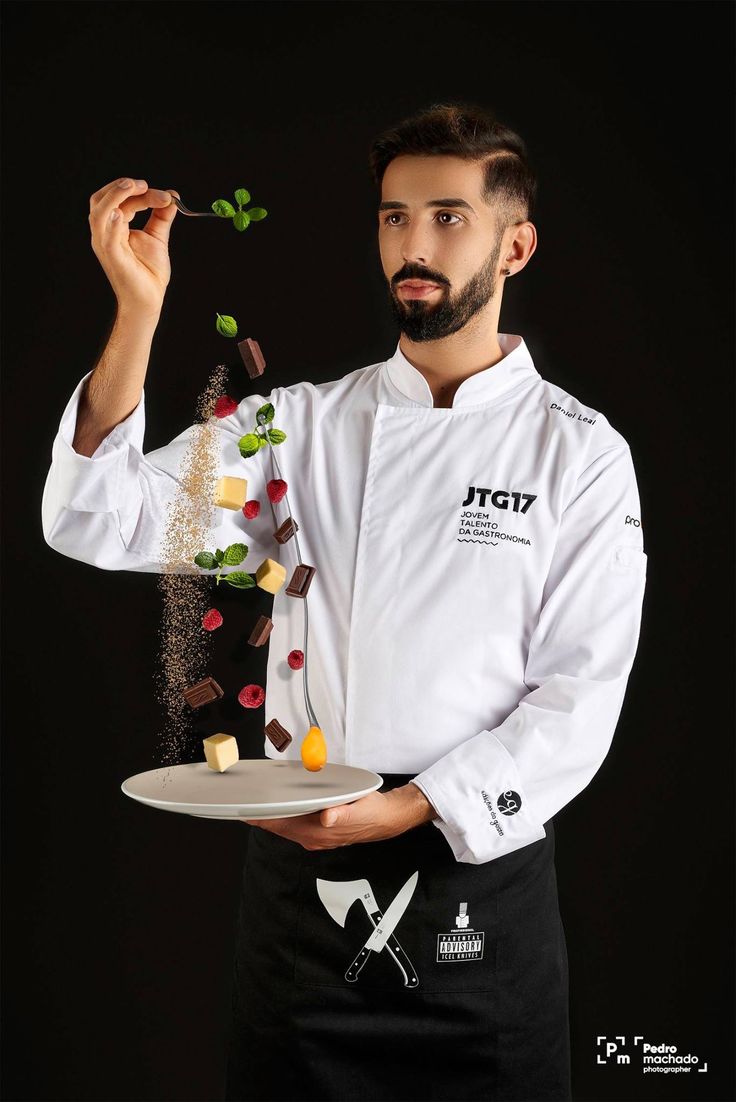
Diploma in culinary Arts

Students learn classical cooking techniques, kitchen management, and culinary artistry.  

Diploma in culinary Arts Diploma in culinary Arts Diploma in culinary Arts Melamina Online College
$ 150 . 00 Fay ak PayPal

Lan nga jàng?

Fundamentals of Cooking
International Cuisine
Baking and Pastry
Kitchen Management
Culinary artistry
Special Cuisine

Ci mbiri jàng bi

Here's an overview of a Diploma in Culinary Arts:


Diploma in Culinary Arts


Course Overview:


The Diploma in Culinary Arts equips students with the skills and knowledge required to succeed in the culinary industry. Students learn classical cooking techniques, kitchen management, and culinary artistry.


*Course Objectives:*


Upon completion, students will be able to:


1. Prepare a wide range of international dishes

2. Demonstrate kitchen safety and sanitation practices

3. Manage kitchen operations and staff

4. Apply culinary artistry and presentation techniques

5. Develop menus and recipes


*Course Outline:*


*Module 1: Fundamentals of Cooking*


- Kitchen safety and sanitation

- Cooking techniques (roasting, grilling, sautéing)

- Knife skills and food preparation


*Module 2: International Cuisine*


- French cuisine

- Italian cuisine

- Asian cuisine

- Middle Eastern cuisine


*Module 3: Baking and Pastry*


- Bread making

- Cake decorating

- Pastry design


*Module 4: Kitchen Management*


- Menu planning and cost control

- Inventory management

- Kitchen staffing and supervision


*Module 5: Culinary Artistry*


- Food presentation and styling

- Plating design

- Food photography


*Module 6: Specialized Cuisine*


- Vegetarian and vegan cuisine

- Gluten-free and special dietary cuisine

- Molecular gastronomy


*Module 7: Practical Application*


- Cooking practicals

- Menu planning and execution

- Peer feedback and evaluation


Assessment Methods:


1.  Exams 

2. Written assignments

3. Project-based assessments

4. Peer evaluations


Duration:


- Full-time: 8 weeks


Prerequisites:


- High school diploma or equivalent

- Basic cooking skills


Certification:


Upon completion, students receive a Diploma in Culinary Arts.


Career Opportunities:


1. Chef

2. Kitchen Manager

3. Restaurant Owner

4. Food Stylist

5. Catering Manager


Industry Partnerships:


Melamina Culinary School partners with leading restaurants, hotels, and industry experts.

Xibaar yu yokku

Ci mbiri jàngalekat yi

Chef Brighton

Motel owner

Worked in hotel industry for over 25 years

Chef Jean D'Arcy

Professional chef

3 star chef having worked in Las Vegas, Berlin, Venice and Lyon hotels

Melamina Online College

Your Gateway to Affordable, Flexible and High quality education
Teknoloji